
Overview
MAGGI is an interactive educational game designed for children aged 3–10. It blends storytelling, mathematics, and real-life challenges into a playful learning experience. The platform focuses on cognitive growth, emotional connection, and progressive learning through character evolution.
#FutureLearning #GameForGrowth #DesignForKids
MAGGI
Case Study
1
Game Concept & Experience Design
Learning Through Play & Life Simulation#Game UX #Learning Design #Interactive Experience
2
Progressive Learning System
From Basics to Real-Life Problem Solving#Education System #Level Design #Smart Learning
Emotional & Social Learning
Designing Growth Beyond Academics
#Child Development #Emotional UX #Human Centered
Game Concept & Experience Design
Learning Through Play & Life Simulation
#GameUX #LearningDesign #InteractiveExperience
Problem
Children find traditional math learning boring and disconnected from real life.
Solution
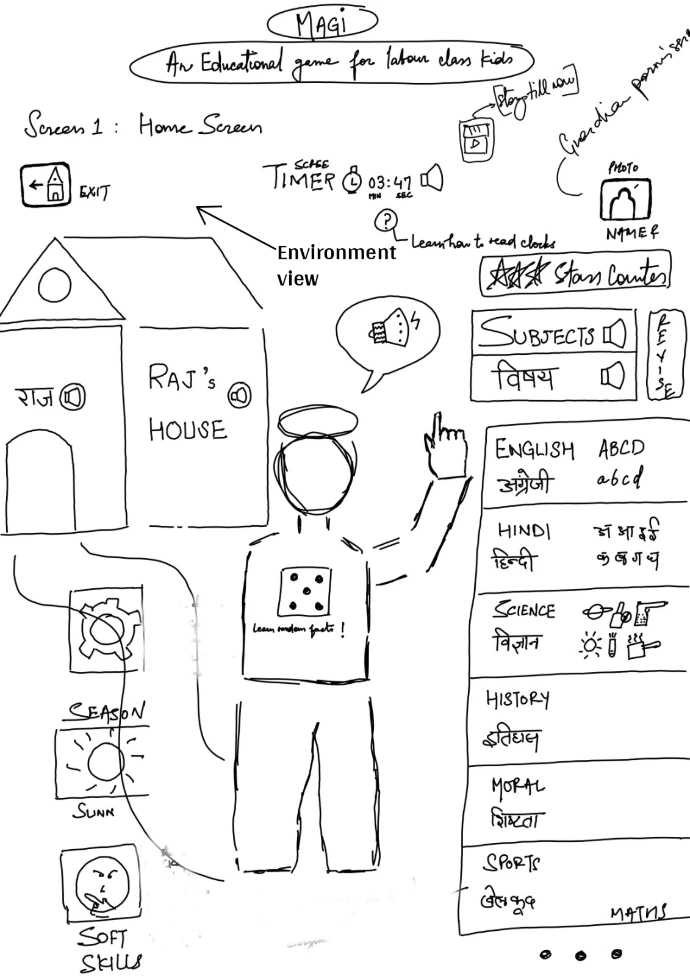
Created a story-based game where two characters (boy & girl) grow through life stages while solving math problems.
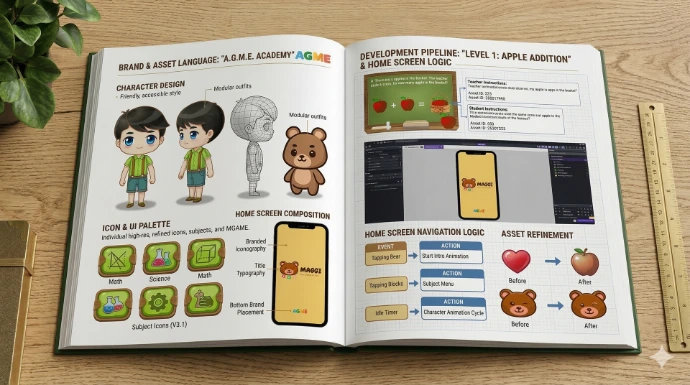
3D Model Integration Idea
- 3D animated characters (child → teenager progression)
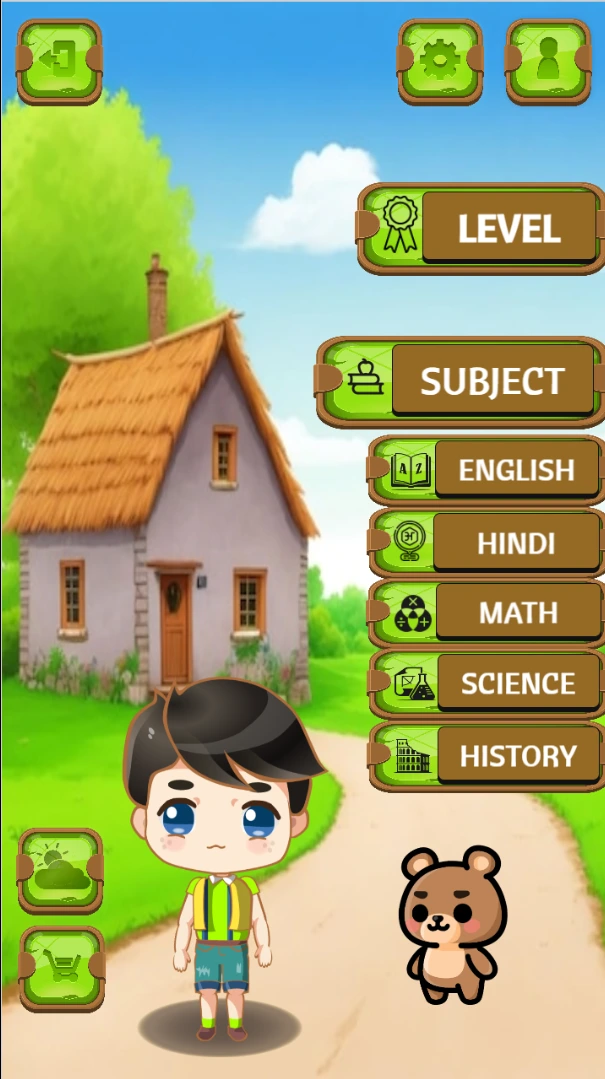
- Interactive environment (home, school, playground)
# Emotional connection with characters
Progressive Learning System
From Basics to Real-Life Problem Solving
#EducationSystem #LevelDesign #SmartLearning
Problem
Lack of structured progression in early education apps.
Solution
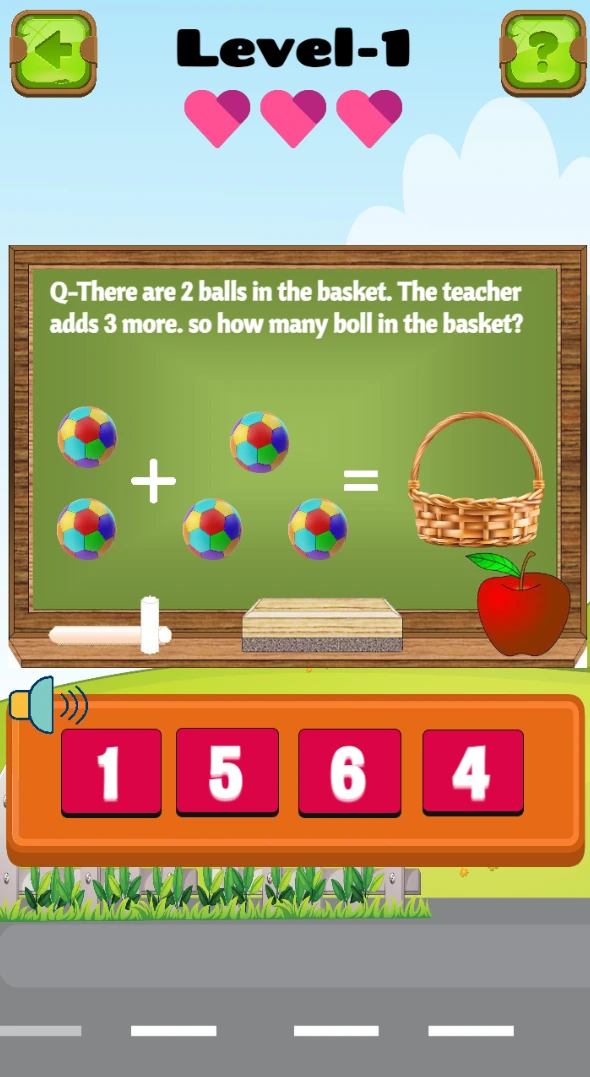
Designed level-based difficulty:
- Level 1–5: Basic numbers & shapes
- Level 6–10: Addition & subtraction
- Level 11+: Real-life math problem
3D Model Integration Idea
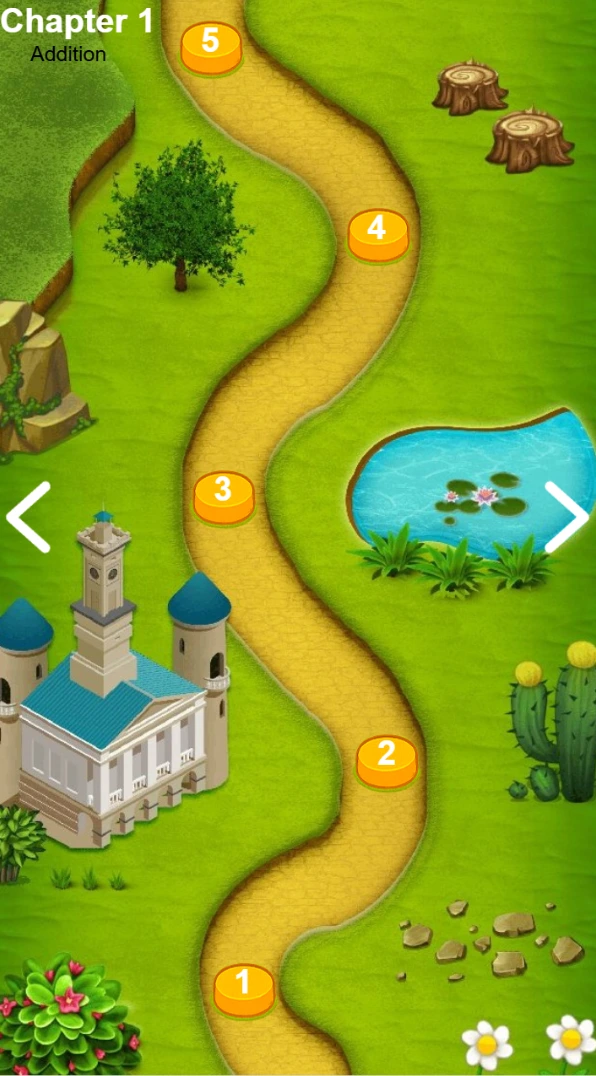
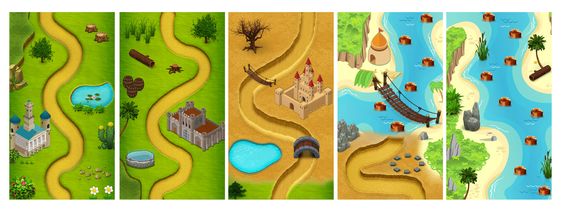
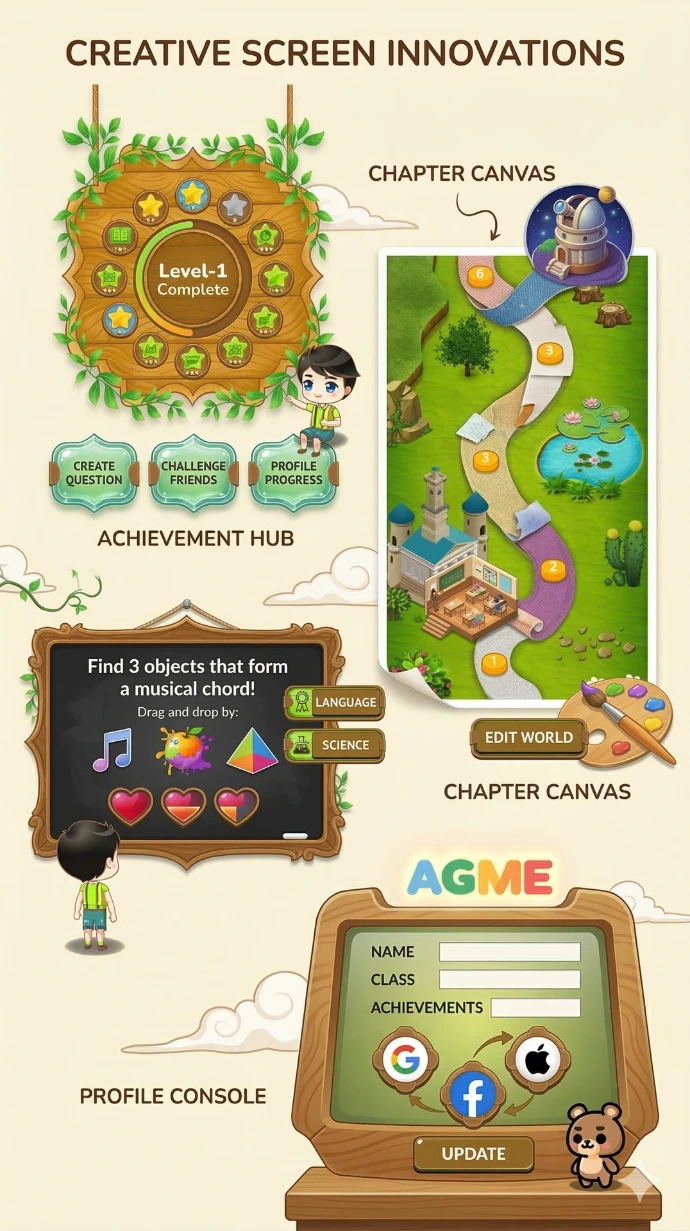
- Level map in 3D (journey path)
- Unlockable worlds representing learning stages
Emotional & Social Learning
Designing Growth Beyond Academics
#ChildDevelopment #EmotionalUX #HumanCentered
Problem
Most learning apps ignore emotional and social growth.
Solution
Integrated real-life challenges:
- Family situations
- School interactions
- Decision-making scenario
3D Model Integration Idea
- Story scenes with interactive choices
- Character expressions and reactions
#Real-world understanding
Learning Engagement
+72%
Increase in student interaction with gamified content
Modules Completed
+180
Total learning levels completed by users
Expected Reach
1M+ Kids
Potential users across schools & digital platforms
Active Learners
245,000+
Monthly active children using the platform
Retention Rate
88%
Students returning regularly to continue learning
Learning Improvement
3.5x
Increase in math problem-solving ability
Daily Sessions
120,000
Average daily game interactions
Challenges Completed
52,000+
Real-life math tasks successfully solved
Project Milestone Roadmap
2025-2026
Idea Validation
Concept Foundation
Validated the core idea of gamified learning for children (3–10 years) through research and early feedback.
Research & Strategy
User Research Phase
Conducted research on:
- Kids learning behavior
- Parent expectations
- Gamification impact
UX Planning
Wireframing & User Flow
Designed:
- Game journey
- Learning levels structure
- Character interaction flow
UI + Visual Design
Interface & Experience Design
Created:
- Colorful UI system
- Kid-friendly design patterns
- Interactive screen layouts
3D & Game Elements
3D Character & Environment Design
Developed:
- Boy & Girl characters
- Learning environments (school, home, world)
- Basic animations
Prototype Development
Interactive Prototype
Built:
- Clickable prototype
- Game-level interaction
- Early testing model
Testing & Feedback
User Testing Phase
Tested with:
- Children (engagement level)
- Parents (usability feedback)
Improved:
- Difficulty balance
- UI clarity
Launch Phase
Initial Product Release (MVP)
Released:
- Core learning modules
- Gamified math challenges
- Character-based progression